Why Are Cute Plush Toys So Popular Around the World?
Cute Plush Toys have captured hearts worldwide, becoming more than just toys. According to the Global Toy Market Report, the plush toy segment is expected to reach $18 billion by 2026. This impressive figure highlights their widespread appeal among consumers of all ages. Children cherish these cuddly companions for comfort, while adults often seek them as nostalgic collectibles.
The popularity of Cute Plush Toys stems from their emotional connection. They provide a sense of security and companionship. Interestingly, research shows that 70% of children feel happier with a plush toy nearby. This emotional support feature is a driving factor behind their appeal. However, the industry must reflect on sustainability practices in sourcing materials.
Moreover, not all Cute Plush Toys live up to safety standards. Some may contain harmful substances. Parents must remain vigilant in choosing safe options. While the plush toy market thrives, these concerns need attention to ensure lasting joy in this beloved category.
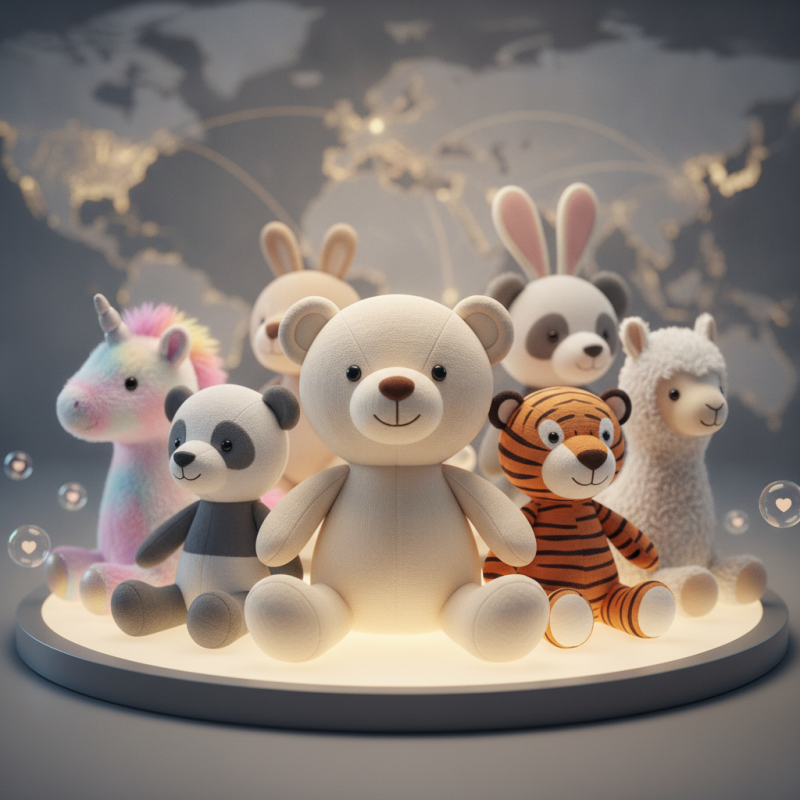
The Cultural Significance of Plush Toys Across Different Cultures
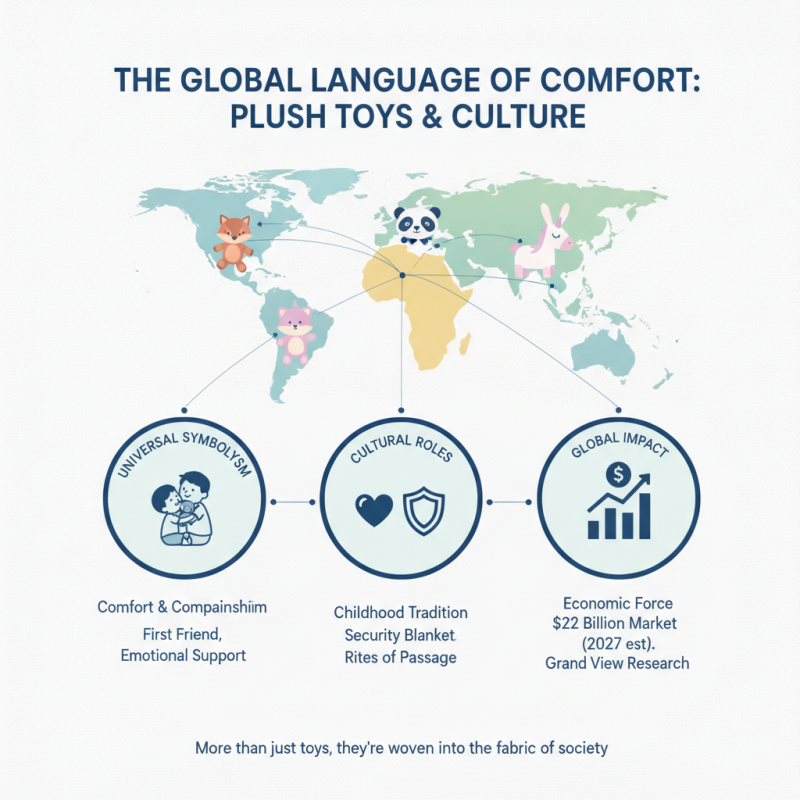
Plush toys carry deep cultural significance across the globe. In many cultures, these toys symbolize comfort and companionship. They often serve as a child’s first friend, providing emotional support during tough times. According to a report by Grand View Research, the global plush toy market is projected to reach $22 billion by 2027, indicating their importance in various societies.
In Japan, for example, cute plush characters known as "kawaii" reflect a cultural emphasis on cuteness and innocence. This aesthetic resonates with both adults and children. Plush toys often embody these values, bridging the gap between childhood and adulthood. In other regions, like Latin America, plush toys reflect local customs and storytelling traditions. They often represent folklore, allowing children to connect with their heritage.
The love for plush toys is not without its complexities. While they bring joy, excessive reliance on them can hinder social development in children. This raises questions about balance. How do we encourage emotional bonds without stunting interpersonal connections? It’s a challenge that many parents and cultures face. Nonetheless, the enduring popularity of plush toys reveals their crucial role in emotional well-being across diverse cultural landscapes.
The Psychological Appeal of Cute Designs and Soft Textures
Cute plush toys have captured hearts globally, thanks to their appealing designs and soft textures. Studies indicate that these characteristics trigger positive emotions, making them more than just playthings. According to a report by the Toy Association, 80% of consumers report feeling joy when interacting with soft toys. This emotional connection is vital in today's fast-paced world, where stress is prevalent.
The psychological appeal of cute designs plays a significant role. Research published in the Journal of Consumer Research shows that exposure to cute images can enhance focus and attention. This explains the rise in plush toys among adults, not just children. The comfort they provide offers a sense of nostalgia and security. Furthermore, plush toys often serve as tools for stress relief. Individuals find solace in their presence, highlighting the need for soft, comforting objects in everyday life.
Tips for selecting plush toys: Look for designs that resonate emotionally. Choose items with quality materials. Soft textures can provide comfort, especially during stressful times. Being mindful of these factors creates a deeper connection with the plush toys and enhances overall well-being. Remember, the joy found in these cuddly companions can be a simple yet profound way to alleviate stress.
The Role of Plush Toys in Child Development and Comfort
Plush toys play a significant role in child development. They offer comfort, companionship, and a sense of security. According to a study published in the International Journal of Early Childhood, more than 70% of children aged 3-6 years engage in pretend play with plush toys. This activity fosters creativity and social skills.
Furthermore, plush toys can help children navigate emotions. A survey by the American Academy of Pediatrics noted that children often use these toys to express feelings like fear and loneliness. The tactile nature of plush toys can provide sensory comfort, especially during stressful situations. In fact, 65% of parents report that their children find solace in cuddling with plush toys when upset.
While plush toys are widely embraced, it’s important to remember they cannot replace human interaction. Some experts warn that over-reliance on toys for emotional support might hinder social development. Encouraging real-world connections is crucial as children grow. Balancing the use of plush toys with interpersonal relationships is key for healthy development.
Popularity of Plush Toys by Age Group
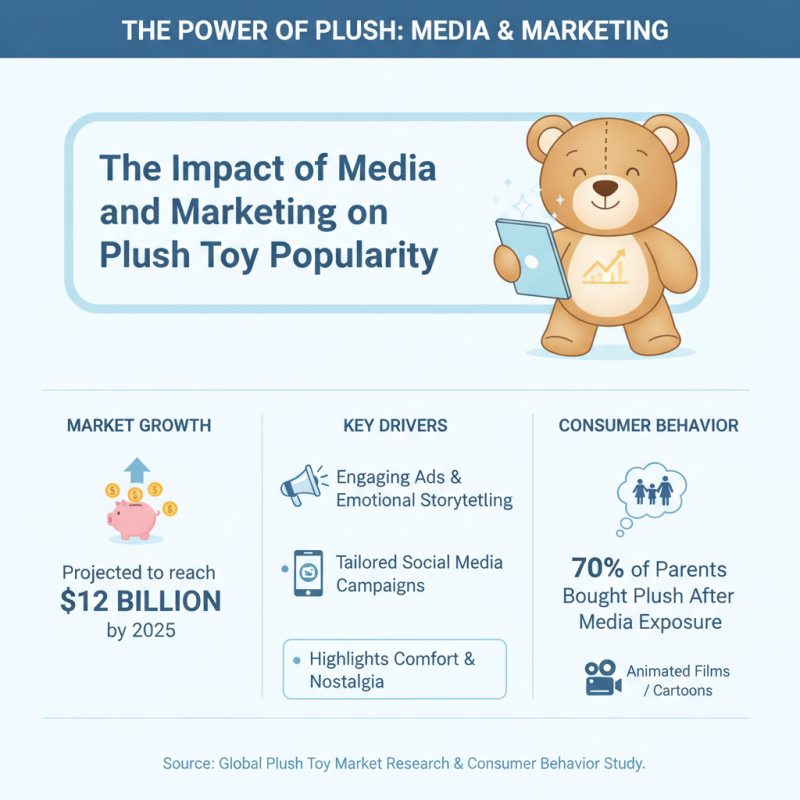
The Impact of Media and Marketing on Plush Toy Popularity
The popularity of plush toys is undeniably influenced by media and marketing strategies. Research shows that the global plush toy market is projected to reach nearly $12 billion by 2025. This growth is largely driven by engaging advertisements and emotional storytelling in various media channels. With tailored ads on social media, brands effectively reach young consumers, highlighting the comfort and nostalgia associated with plush toys. Data from a recent consumer behavior study indicated that 70% of parents reported buying plush toys for their children after seeing them featured in animated films or cartoons.
Social media influencers play a critical role too. Platforms like Instagram and TikTok showcase people sharing their plush collections and emotional connections. These platforms create a sense of community and belonging. An analysis of social media trends revealed that posts with plush toys received up to 40% more engagement. However, this heavy reliance on digital marketing raises concerns about sustainability and the impact of consumerism on younger generations. Some parents worry that incessant advertising pressures children to desire more toys than they need.
Marketing often emphasizes the cuteness and collectability of plush toys, but it might overlook important lessons about mindfulness and value. The emotional connection they foster is significant, yet it should be balanced with an awareness of overconsumption. The challenge lies in harmonizing the joy these toys bring with a commitment to responsible consumer choices.
Trends in Plush Toy Collecting and Fandom Worldwide
Plush toys have become a global phenomenon among collectors and fans. Many are drawn to the emotional comfort these toys provide. They evoke nostalgia and joy. Individuals often share personal stories related to their plushies, creating a deeper connection. Online forums and social media platforms have seen a surge in plush toy communities. These spaces encourage discussions, trades, and showcases of unique collections.
Collectors often seek rare editions or limited releases. Some engage in DIY projects, customizing their own plush toys. This personal touch enhances their experience and fosters a sense of ownership. While the thrill of collecting can be exciting, it can also be overwhelming. There’s always a fear of missing out on that perfect piece. Standing out in a vast community can be daunting. Plush toy fandom is not just about ownership; it's about shared experiences and collective joy. This underlines the importance of community support in a collector’s journey.
Why Are Cute Plush Toys So Popular Around the World? - Trends in Plush Toy Collecting and Fandom Worldwide
| Region |
Popular Plush Toy Types |
Collecting Trends |
Average Age of Collectors |
| North America |
Animal Plushies, Iconic Characters |
Limited Editions, Retro Toys |
25-35 |
| Europe |
Fantasy Creatures, Movie Characters |
Themed Collections, Cross-Genre |
20-30 |
| Asia |
Kawaii Characters, Anime Figures |
Collaborations, Mobile Game Tie-ins |
15-25 |
| South America |
Colorful Animals, Cartoons |
Cultural Themes, Local Characters |
18-28 |
| Africa |
Wildlife Plushies, Educational Toys |
Eco-Friendly Options, Community Projects |
20-30 |