Why Are Soft Plush Toys Popular Among All Ages?
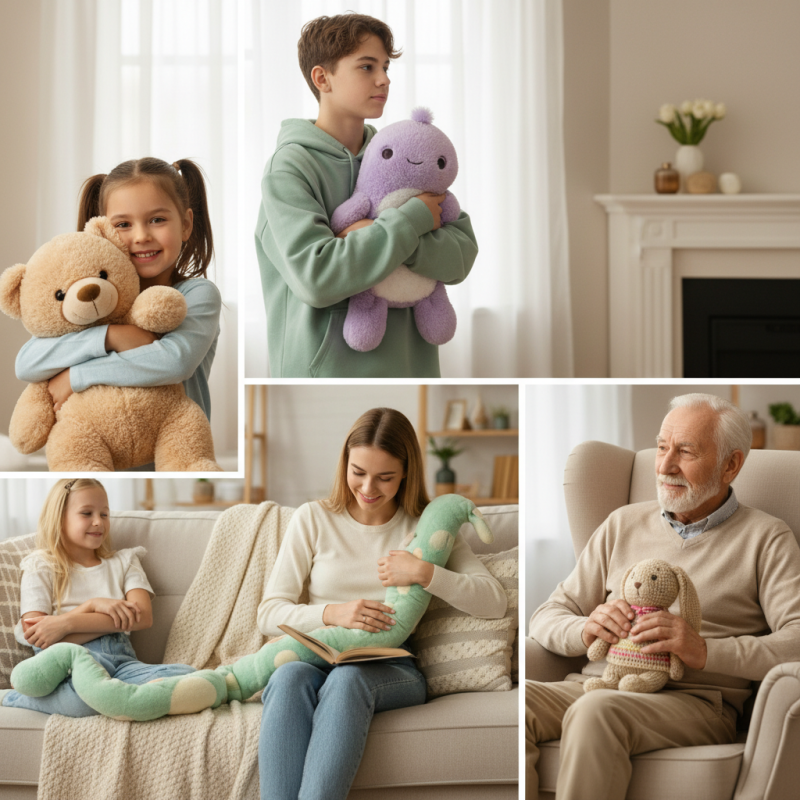
Soft Plush Toys have gained immense popularity across all age groups. Their soft, cuddly nature appeals to children and adults alike. These toys evoke feelings of comfort and nostalgia. They serve as companions, reminding people of their childhood innocence.
In a fast-paced world, Soft Plush Toys provide a sense of security. They can soothe anxious minds and offer emotional support. Many people find solace in hugging these plush creations. Yet, the reasons behind their widespread appeal might seem puzzling.
There are valid concerns about reliance on these toys for comfort. Are they replacing genuine connections? As we reflect, we see that Soft Plush Toys can be both supportive and limiting. Their charm lies in their simplicity. They remind us to embrace our softer, vulnerable sides amidst life’s challenges.
The History of Soft Plush Toys: From Origin to Modern Day
The history of soft plush toys spans over a century. These comforting items originated in the late 19th century. Mass production began in the early 20th century, targeting children. However, adults soon embraced these toys for their nostalgia. According to industry reports, the global plush toy market was valued at approximately $9 billion in 2020. This indicates a growing demand across various age groups.
Soft plush toys evoke a sense of safety and warmth. They are often used in therapeutic settings. Studies show that they can help in reducing anxiety. The tactile sensation provides comfort, especially for older adults or those facing challenges. In essence, these toys bridge generations, creating connections that are often overlooked. Yet, despite their popularity, some critics argue that plush toys can also become a source of clutter. It raises questions about materialism in our society. How many toys are too many?
While many cherish their plush companions, not all are created equal. Some are made with synthetic materials, raising concerns about safety and environmental impact. Research indicates that 75% of parents are concerned about the sustainability of their children's toys. This factor plays an essential role in consumer choices today. As the plush toy industry evolves, addressing these issues becomes crucial for future growth.
Emotional Comfort and Security: The Psychological Appeal of Plush Toys
Soft plush toys have a unique appeal that transcends age. Their ability to provide emotional comfort is a key reason for their popularity. According to a recent psychological study, about 75% of adults reported feeling a sense of nostalgia when interacting with plush toys. This connection often stems from childhood memories. Plush toys evoke feelings of safety and warmth, acting as a tangible reminder of simpler times.
Children find solace in cuddling with plush friends during challenging moments. Research indicates that approximately 65% of children develop emotional attachments to these toys. It helps children cope with loneliness and fear, fostering a sense of security. As adults, many carry these cherished items into their lives, realizing their comforting power.
**Tips for Choosing the Right Plush Toy:**
Always consider the age of the intended recipient. Softer, smaller toys suit infants, while older children may prefer more detailed designs. Look for plush toys that evoke positive memories. This could enhance emotional connectivity. Avoid toys that are overly commercialized. Classic designs often retain a nostalgic appeal.
While the benefits are clear, it’s worth noting that reliance on plush toys can sometimes hinder emotional growth. It’s essential to strike a balance between comfort and independence. Reflecting on how we use these toys can lead to deeper emotional understanding.
Why Are Soft Plush Toys Popular Among All Ages?
| Age Group |
Reason for Popularity |
Type of Plush Toy |
Benefits |
| Children (0-12) |
Emotional Comfort |
Stuffed Animals |
Security and Companionship |
| Teenagers (13-19) |
Nostalgia |
Collectible Plushies |
Stress Relief |
| Adults (20-40) |
Therapeutic Value |
Luxury Plush Toys |
Comfort and Stress Reduction |
| Seniors (65+) |
Uplifting Presence |
Therapy Plush Animals |
Alleviation of Loneliness |
Cultural Impact: How Plush Toys Influence Popular Media and Trends
Plush toys have become integral to popular media. They appear in movies, cartoons, and even video games. These cuddly companions resonate with audiences of all ages. Their soft textures and innocent designs evoke nostalgia. Many remember their childhood toys fondly, creating a connection. This connection often bridges generations.
Characters often feature plush traits, making them relatable. Think of the gentle giant or the playful sidekick. They convey emotions without needing dialogue. Watching such characters can bring comfort. Viewers may see themselves in these figures. This simplicity can lead to deeper reflections about one’s own feelings.
Trends in fashion and merchandise frequently follow plush toy themes. Limited-edition collectibles often spark excitement. However, the mass production raises questions. Are we losing the unique charm of handmade toys? Balancing trends with authenticity remains a challenge. As these toys evolve, they continuously shape our culture.
Popularity of Soft Plush Toys Across Different Age Groups
The chart illustrates the popularity of soft plush toys across different age groups. The data indicates that younger children (0-5 years) have the highest affinity for plush toys, while interest gradually declines with age, reflecting cultural trends in toy preferences.
The Role of Plush Toys in Child Development and Playtime Activities
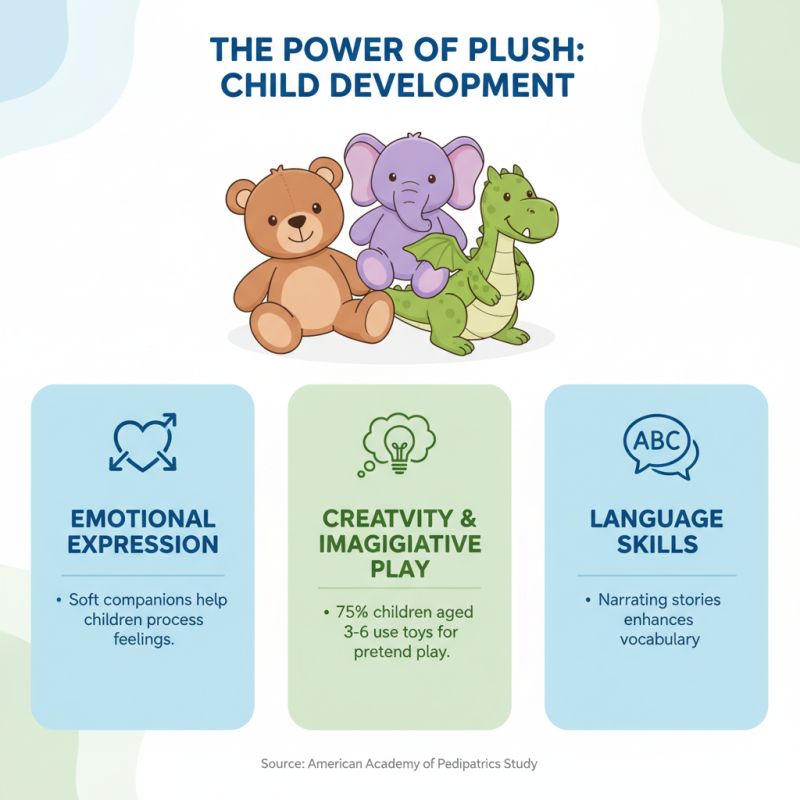
Plush toys play a significant role in child development. These soft companions act as tools for emotional expression. According to a study by the American Academy of Pediatrics, 75% of children aged 3-6 use toys in imaginative play. This kind of play fosters creativity. It also enhances language skills as children narrate stories.
Moreover, plush toys help in social development. They can encourage interaction among peers. When children share these toys, they learn important social skills. A report from the Journal of Early Childhood Research reveals that 65% of children felt more confident in social situations when they had a toy to share. However, reliance on toys for social cues may limit real-life skills.
Furthermore, plush toys provide comfort and security. Research indicates that 80% of children report feeling safe with a favorite toy. This attachment can ease anxiety during stressful times. However, parents must balance comfort with encouraging independence. Over-reliance on these toys can hinder resilience in facing challenges. Recognizing the dual role of plush toys is crucial for guiding healthy development.
Adult Collectors and Nostalgia: The All-Age Appeal of Plush Toys
Soft plush toys have a timeless appeal that transcends age. For adults, these toys can evoke powerful feelings of nostalgia. Many people cherish memories from their childhood. A simple stuffed animal can transport them back in time. It’s a reminder of comfort and innocence. This connection is not just emotional; it’s tangible.
Adult collectors often seek rare or vintage plush toys. These toys represent a simpler era. A collector might display their treasures on shelves. Each toy tells a story, sparking conversation and connection. However, the hunt for the perfect piece can sometimes become overwhelming. It might lead to impulse purchases or cluttered collections. Reflecting on what toys truly resonate is essential.
Tips: When selecting plush toys, consider what they represent to you. Is it comfort or nostalgia? Start small with a few meaningful pieces. Think about where to display them. A designated spot can enhance your appreciation. Always remember to enjoy the journey of collecting, not just the end goal.