10 Essential Tips for Choosing the Perfect Glass Cup Set?
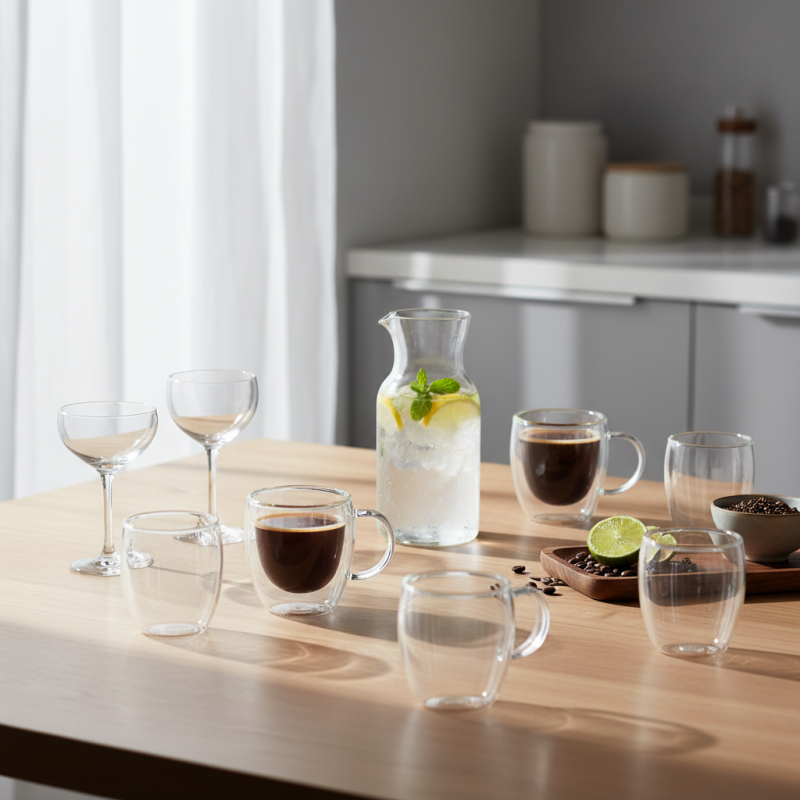
Choosing the right Glass Cup Set can transform your drink experience. A well-selected set not only enhances aesthetics but also elevates functionality. However, the process can feel overwhelming.
Consider how you use your cups daily. Do they serve tea, coffee, or perhaps cocktails? Each purpose calls for different styles and materials. Pay attention to details like shape, size, and design. These factors influence both enjoyment and practicality.
Many buyers overlook important features. For instance, not all glass is created equal. Some may not be durable or suitable for hot beverages. Reflect on your needs and preferences. A thoughtful choice can lead to greater satisfaction in the long run. A perfect Glass Cup Set should be both beautiful and functional, ensuring every sip is a pleasure.
Factors to Consider When Assessing Glass Quality for Cup Sets
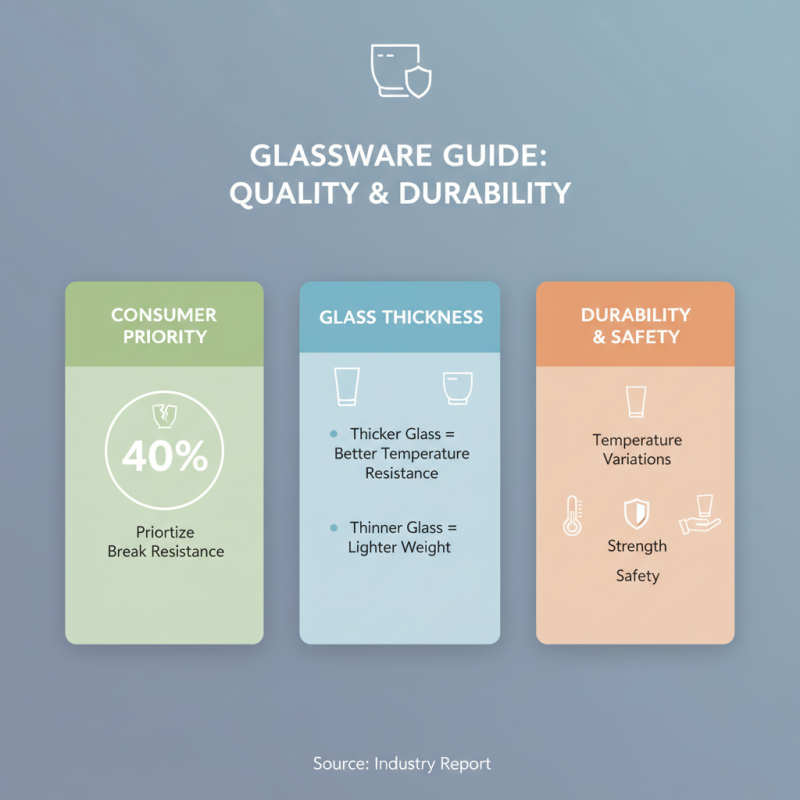
When choosing glass cup sets, assessing glass quality is key. Various factors affect durability and safety. According to a recent industry report, over 40% of consumers prioritize break resistance in their glassware. Understanding how glass thickness impacts strength is crucial. Thicker glass can endure temperature variations better, but may feel heavier.
Transparency is another essential factor. High-quality glass should be clear and free from imperfections. Cloudiness often indicates inferior quality. The refractive index of the glass can influence how it interacts with light. A good quality glass reflects and refracts beautifully, enhancing the drinking experience. Remember, aesthetics matter, but so does functionality.
Finally, consider the manufacturing process. Handcrafted glass may offer unique designs, but it might come with inconsistencies. On the flip side, machine-made glass is often uniform but could lack character. Weigh the pros and cons carefully. In the end, selecting the right glass cup set is not just a choice; it's about finding the balance between beauty and utility.
Evaluating Different Types of Glass: Tempered, Borosilicate, and Crystal
When selecting a glass cup set, it's vital to understand the different types of glass available. Tempered glass is a popular choice for its strength and durability. It undergoes a heating and cooling process that makes it resistant to thermal shock. This means it can handle both hot and cold beverages without cracking. However, tempered glass can be heavier than other types. Its sturdiness can sometimes lead to less elegant aesthetics.
Borosilicate glass is another excellent option. It's designed to withstand high temperatures and thermal stress. This makes it ideal for hot drinks like tea and coffee. Its lightweight nature makes it easy to handle. But, it's worth noting that borosilicate glass can be more fragile than tempered glass. Users often report that it breaks unexpectedly, which can be disappointing.
Crystal glass offers a luxurious appearance and excellent clarity. It's perfect for special occasions. Yet, crystal can be heavy and requires delicate handling. Some find the weight uncomfortable for everyday use. Crystal also tends to be more expensive, raising questions about its value in daily life. Balancing beauty and practicality is key when choosing the right glass cup set.
Understanding the Importance of Size and Capacity in Glass Cup Sets
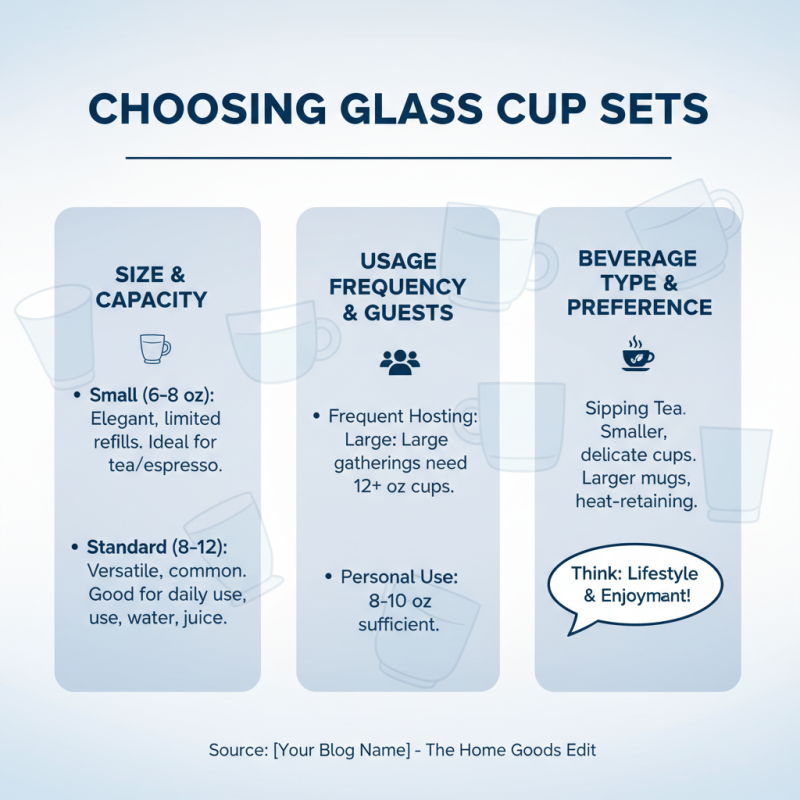
When selecting a glass cup set, size and capacity play crucial roles. A small cup may look elegant but can feel limiting. Consider how often you'll serve beverages. Will you host large gatherings? Then, larger capacity cups are necessary. A standard size is often between 8 to 12 ounces. Yet, think about your personal preferences. Do you enjoy sipping tea or hosting coffee lovers?
Avoiding common errors is essential. Many overlook how size affects the drinking experience. A cup that is too big might lose its intended charm. Conversely, a cup that is too small may require constant refilling. It's about balance.
Reflect on the occasions you’ll use the cups. For casual family dinners, versatile sizes work best. For special events, unique shapes can impress. Ask yourself: what drink fits this cup best? Each piece can tell a story when chosen wisely. That’s the beauty of a well-selected glass set.
Comparing Aesthetic Designs and Functional Use in Glass Cup Selection
Choosing the perfect glass cup set can be challenging. Aesthetic designs play a vital role in making your choice. Think about colors and patterns that appeal to you. Elegant, minimalist designs often suit various settings. However, trends can change, and what looks good today might not tomorrow.
Functional use is equally important. Consider how you’ll use the cup set. Are you serving hot beverages or cold drinks? The thickness of glass affects insulation. A heavy glass might be more durable but can feel clunky. On the other hand, lighter glasses may chip easily. It’s a delicate balance between beauty and utility, and often, personal preference complicates this.
Reflect on your lifestyle, too. Do you entertain often? A unique set can impress guests, but is it practical for daily use? Think about storage space. A beautifully designed stackable set can save room and still look good. In the end, the perfect glass cup set should marry aesthetics with functionality, allowing for personal expression without sacrificing practicality.
Analyzing the Impact of Brand Reputation and Customer Reviews on Choices
When selecting a glass cup set, brand reputation plays a vital role. Many consumers gravitate towards well-known names, often assuming quality. However, a popular brand doesn’t always guarantee the best choice. Some lesser-known manufacturers offer exquisite designs at competitive prices. Exploring options beyond the mainstream can lead to surprisingly delightful finds.
Customer reviews provide essential insights that can influence your decision. Reading through feedback helps you understand the product's performance. Look for comments about durability, design flaws, and user experiences. Sometimes, glowing reviews can mask flaws. A single complaint might reveal a recurring issue that many overlook.
It’s important to reflect on personal preferences. What do you prioritize? Aesthetic appeal, price, or functionality? This reflection may guide you better than blindly following trends or popular choices. The perfect set shows a balance of beauty and functionality. Every detail counts, so analyze with a discerning eye. Be willing to reconsider your choices based on genuine customer feedback.
Impact of Brand Reputation and Customer Reviews on Glass Cup Set Choices