2026 How to Choose the Perfect Ceramic Plates for Your Home
Choosing the right ceramic plates can elevate your dining experience. Ceramic plates are not just functional; they add beauty to your table. With countless designs available, selecting the perfect one requires thoughtful consideration.
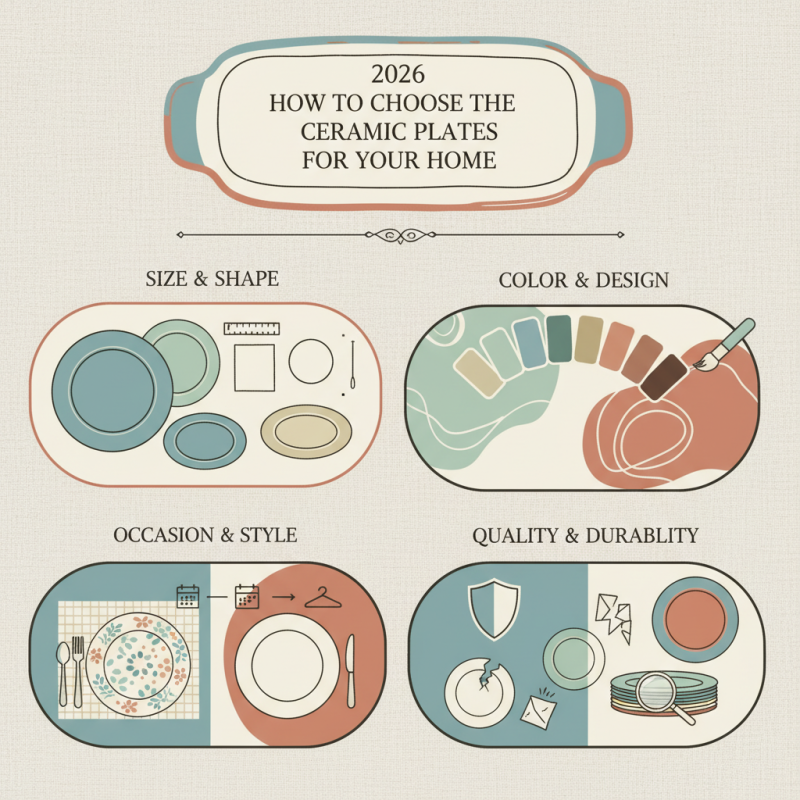
Consider the size, shape, and color of ceramic plates. Each element plays a role in overall aesthetics. Large, colorful plates can make bold statements. Smaller, neutral-toned plates may bring an understated elegance to your meals. Think about the occasions, too. Casual gatherings call for playful designs, while special events may warrant more refined pieces.
Quality matters when selecting ceramic plates. Look for durable options that withstand daily use and remain beautiful over time. There are many brands, and not all are created equal. Researching and reading reviews can save you from disappointing choices. Remember, your ceramic plates reflect your personal style. So, take your time and enjoy the process of finding the perfect pieces for your home.
Understanding the Different Types of Ceramic Plates for Home Use
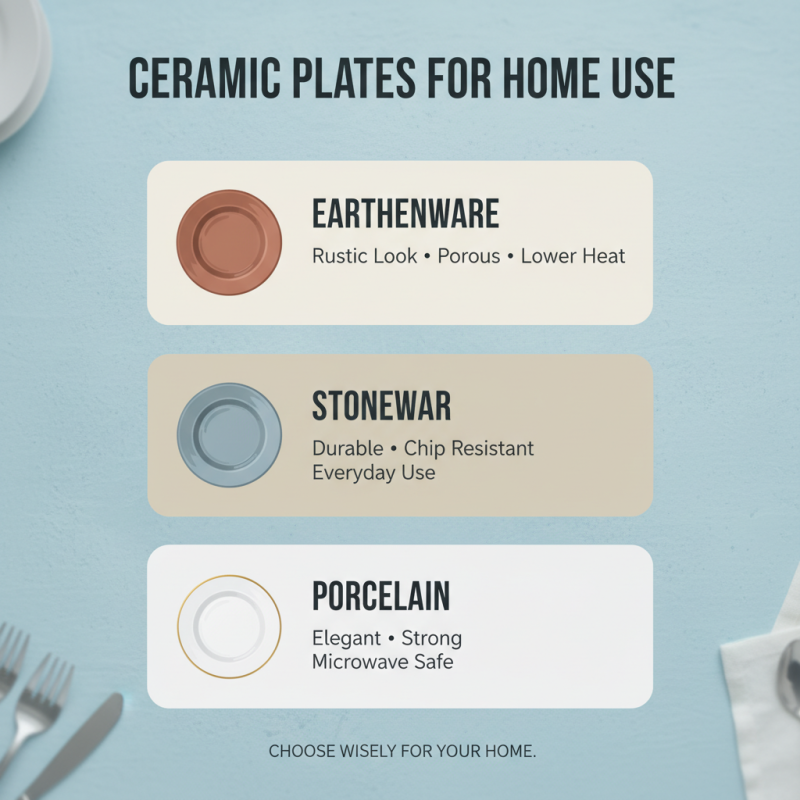
When selecting ceramic plates for your home, understanding their types is essential. Ceramics can be broadly categorized into earthenware, stoneware, and porcelain. Earthenware is typically more porous, making it less suitable for high temperatures. However, it offers a rustic aesthetic that many appreciate. Stoneware is durable, holding up well in both use and washing. It's often favored for its chip resistance, an important factor in busy households. Porcelain, known for its strength, provides elegance and is often microwave-safe.
Recent industry reports highlight the growing popularity of ceramic dinnerware. In fact, 40% of consumers now prefer ceramic plates for everyday use, mainly due to their aesthetic appeal and versatility. Many plates also feature glazes, which not only enhance design but can increase functional durability. However, some glazed ceramic plates may contain harmful elements if not properly regulated. It's crucial to choose plates that adhere to safety standards outlined by reputable organizations.
Ceramic plates can brightly enhance your dining experience, but not all types serve every purpose perfectly. For instance, while porcelain is stunning for formal dining, it may be less practical for casual meals. Consumers often overlook the maintenance of different materials. Regularly checking the condition and safety of ceramic pieces can help prolong their life and ensure safety. Understanding these nuances can lead to more informed purchases, ultimately elevating your home dining experience.
Evaluating Durability: Key Metrics for Ceramic Plate Longevity
When choosing ceramic plates, durability is essential. You want plates that can withstand daily use without chipping or cracking. Look for plates with a sturdy glaze. A good glaze adds a protective layer, making the plates more resilient against scratches. However, glazes can vary in quality, and some may discolor over time.
Consider the thickness of the ceramic. Thicker plates usually provide better durability. Yet, they can feel heavy if you have a collection of them. Balance weight and resilience when selecting your pieces. Testing how they feel in your hands can unveil potential issues you may not notice at first glance.
Check for consistent color and texture. Inconsistent finishes could signal a lack of quality control. Plates that are not made uniformly may not hold up as well under pressure. Aesthetic appeal matters, but lasting utility is crucial. Reflect on your needs versus what looks good. This careful evaluation will lead to a more satisfying purchase.
Durability Comparison of Ceramic Plates
Choosing the Right Finish: Glaze vs. Unglazed Ceramic Plates
Choosing the right finish for ceramic plates involves understanding the differences between glazed and unglazed options.
Glazed plates usually have a glossy surface, which is often more vibrant and easier to clean.
Reports indicate that over 70% of consumers prefer glazed ceramic for everyday dining due to its durability and aesthetic appeal.
This finish can also enhance the vibrancy of colors, making meals look more appealing.
On the other hand, unglazed ceramic plates can provide a natural and rustic look. They offer a textured feel that some diners appreciate.
However, unglazed surfaces are prone to stains and are less resistant to moisture.
A recent study found that 55% of users expressed concerns about food safety and absorbency with unglazed ceramics.
Users need to consider how often they host meals and the type of food served.
Ultimately, the choice should align with personal preferences and lifestyle. While glazed ceramics are often easier to maintain,
unglazed options may require more care and attention. Carefully weighing these factors can lead to a more satisfying purchase and enhance your dining experience at home.
Knowing this helps in selecting plates that suit your needs and ensures that your choice reflects both functionality and style.
Impact of Size and Shape on Functionality and Aesthetics
When choosing ceramic plates for your home, size and shape have significant impacts. A large, wide plate can showcase a family-style meal beautifully, while smaller plates work well for appetizers. Round plates are traditional, but square options add a modern twist. Consider how these shapes influence your dining experience.
Tips: When mixing shapes, ensure some coherence. A mix of round and square plates can create an interesting table setting. Avoid overwhelming the table with too many different shapes, which can lead to a chaotic look.
Functionality is as essential as aesthetics. A shallower plate is better for pasta, while deeper ones are ideal for stews. Reflect on your dining style. Do you often host casual dinners or formal gatherings? Your choice should reflect your lifestyle.
Tips: Experiment with sizes. Try using smaller plates for portion control to encourage mindful eating. Be aware that larger plates may lead to larger portions, which may not align with healthy eating habits.
Health and Safety Standards for Ceramic Plates in Food Service
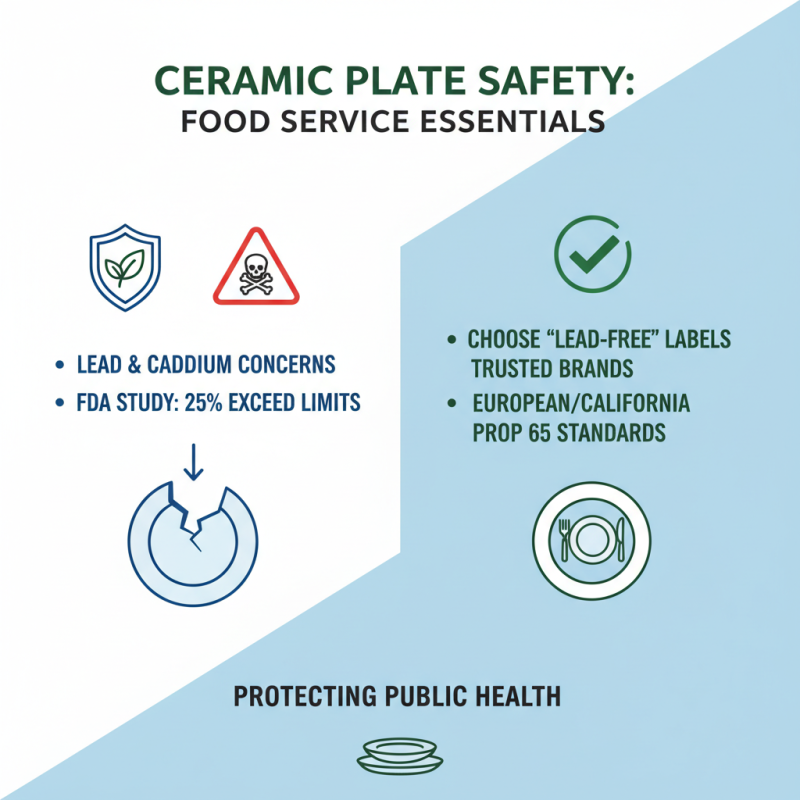
When selecting ceramic plates for your home, understanding health and safety standards is crucial. Research shows that not all ceramics are created equal. Many ceramic products can contain harmful substances like lead and cadmium. In a study by the FDA, nearly 25% of ceramic dishware exceeded safe limits for these metals. This underscores the need for careful consideration.
Ensure that any ceramic tableware complies with local regulations. Look for materials that have been tested for safety. Not all glazes are safe for food contact. For example, some decorative glazes may leach chemicals when exposed to heat or acidic foods. It’s important to verify that your ceramics are labeled as food-safe to avoid potential health risks.
Understanding the origin of your ceramic plates is also vital. Many countries have different safety standards. A report from the European Commission pointed out variability in compliance, raising concerns about imports. Engaging with local suppliers who can assure you of quality and safety standards can be beneficial. Investing in safe, high-quality tableware not only supports health but also enhances your dining experience.